

How do we sharpen Knives – 5 Steps
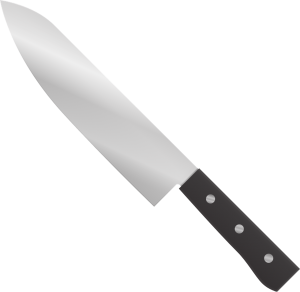
5 Steps on how we sharpen Knives
1. Identifying the blade type
2. Sharpen the knife using a whetstone wheel
3. Adjusting the knives’ angle
4. Polishing the blade
5. Testing for sharpness
If your kitchen knives have become dull and are no longer performing at their best, struggling to slice through meat with ease or failing to glide through the delicate skin of a ripe tomato, it might be time for a professional sharpening service. Dull blades not only make food preparation a frustrating chore but also pose a safety risk, as they require more force to cut and can lead to slips and accidents.
As a professional in the art of blade sharpening, I sharpen knives to their optimal performance. Using a combination of precision techniques, quality sharpening tools, and years of experience, I’ll carefully restore the sharpness and functionality of your blades. Whether it’s a high-end chef’s knife, a paring knife for intricate tasks, or even serrated knives for bread and delicate cuts, each blade will receive individual attention to ensure it performs as efficiently and safely as possible.
I utilize a variety of methods depending on the knife’s type and condition, including specialized machinery to sharpen a knife and achieve the ideal edge. The result? A blade that effortlessly glides through meats, vegetables, and even those tricky tomatoes with minimal effort, reducing kitchen fatigue and improving your overall cooking experience.
By choosing professional sharpening, you not only extend the lifespan of your knives but you also preserve the integrity of the materials, ensuring your knives stay strong, durable, and ready for any culinary challenge. Whether you’re a home cook or a seasoned chef, sharp knives can make a world of difference in your kitchen.
Don’t let your dull blades slow you down or make meal prep an ordeal. Bring them to me, and I’ll professionally sharpen your knife and restore that perfect edge, ensuring you get the precision and ease you deserve in every cut. When your knives are sharp, cooking becomes a pleasure again.
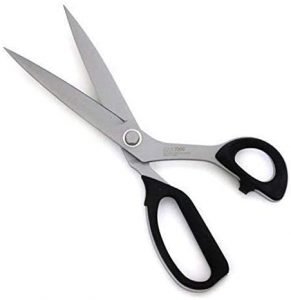 Scissor and shear sharpening on the modified low-speed, TwiceAsSharp type machine is an advanced process that ensures precision and excellent results. The TwiceAsSharp scissor sharpening machine is specifically designed to restore the sharpness of scissors, shears, and similar cutting tools, using a low-speed, controlled sharpening mechanism that prevents overheating and damage to the blades. Here’s a breakdown of how the sharpening process works on this modified low-speed, advanced machine:
Initial Inspection and Preparation
Blade Assessment: The first step in the process is to inspect the scissors or shears for any visible damage or excessive wear. The technician checks the overall condition of the blades, the alignment of the scissors, and any chips or nicks in the edges.
Cleaning: Any dirt, rust, or sticky residues are removed from the blades to ensure a clean surface for sharpening.
Mounting the Scissors on the Machine
The scissors or shears are carefully mounted into the TwiceAsSharp machine’s jig, which is designed to hold them at the optimal angle for sharpening. The machine’s design allows for various scissor types to be securely attached, ensuring that the blades are aligned perfectly during the sharpening process.
Precision Sharpening with Low-Speed Grinding
Low-Speed Grinding: The TwiceAsSharp machine operates at a low speed to prevent excessive heat buildup, which can alter the temper of the steel and degrade the blade’s edge. The grinding wheels on the machine are specifically designed to match the profile of the blades, ensuring that the right amount of material is removed.
Grinding Wheel Selection: The machine uses different grit grinding wheels based on the condition of the blades and the level of sharpness required. Coarse wheels are used for heavy dullness or damage, and finer wheels are used for finishing the edge and creating a smooth, sharp cutting surface.
Angle Control: The machine allows for precise control over the sharpening angle, which is crucial for achieving the correct cutting edge. Scissors typically require an angle between 30 to 40 degrees, depending on their design and intended use. Our sharpening system ensures that both sides of the blade receive an even and consistent sharpening at the correct angle.
Honing the Edges
After the initial sharpening, the blades are carefully honed using a finer grit wheel or a honing stone. This process polishes the edges, creating a razor-sharp finish. Honing smooths out any microscopic imperfections and ensures that the blades glide through material with ease.
Honing Wheels: The honing wheels are designed to refine the edges without removing too much material. This step results in a clean, sharp, and durable edge that can easily slice through fabric, paper, hair, or any other material that the scissors or shears are intended for.
Final Inspection and Adjustment
After sharpening and honing, the technician inspects the scissors’ edge to ensure it’s perfectly sharp and aligned. The scissors are tested by cutting through different materials to verify the sharpness and overall functionality.
Final Touches: If necessary, the technician adjusts the screw tension on the scissors to ensure smooth operation and even pressure during cutting. Some shears may require additional fine-tuning for balance and ease of use.
Cleaning and Polishing
Once sharpening is complete, the scissors are thoroughly cleaned to remove any remaining sharpening residue. A quick polish is often applied to the blades to restore their shine and protect them from rust.
Test Cutting
To ensure that the sharpening was successful, the scissors or shears are tested on a variety of materials, such as paper, fabric, or hair, depending on the type of scissors. The test cutting ensures that the blades are sharp, balanced, and cut smoothly without any snagging or hesitation.
Key Benefits of Using the Sharpening Machine:
Precision: The low-speed, controlled grinding process minimizes the risk of overheating and ensures a precise, uniform edge.
Consistency: The machine is engineered to deliver consistent results, ensuring that every pair of scissors or shears is sharpened to the same high standard.
Preservation of Blade Integrity: The low-speed operation prevents damage to the temper of the blades, preserving their overall integrity and extending their lifespan.
Customizable Sharpening Angles: Different scissor types and uses may require different angles, and our machine allows for customizable angle settings to suit various needs.
In summary, our sharpening machine is a sophisticated, low-speed system that uses precision sharpening techniques to restore the sharpness and functionality of your scissors and shears. It ensures that your cutting tools are brought back to their optimal performance without compromising the integrity of the blades.
 I use the Edge-On-Up Edge Tester to test for Sharpness
I’ll tell you how sharp your knife’s edge is before and after sharpening. There are tests like cutting paper or shaving hair that are often used to demonstrate sharpness, and they are helpful to a point, but they lack the precision and standardization required to answer the question truly. However, a precise and standardized testing method is available. It is achieved using the PT50 Series Sharpness Testers from Edge-On-Up to Measure and Quantify.
The PT50 Series of Edge-On-Up Sharpness Testers can measure and quantify the level of sharpness of any given edge. They work by measuring the force in grams required to cut through a standardized, calibrated medium. A result is a number that can be used to compare the relative sharpness of edges.


